
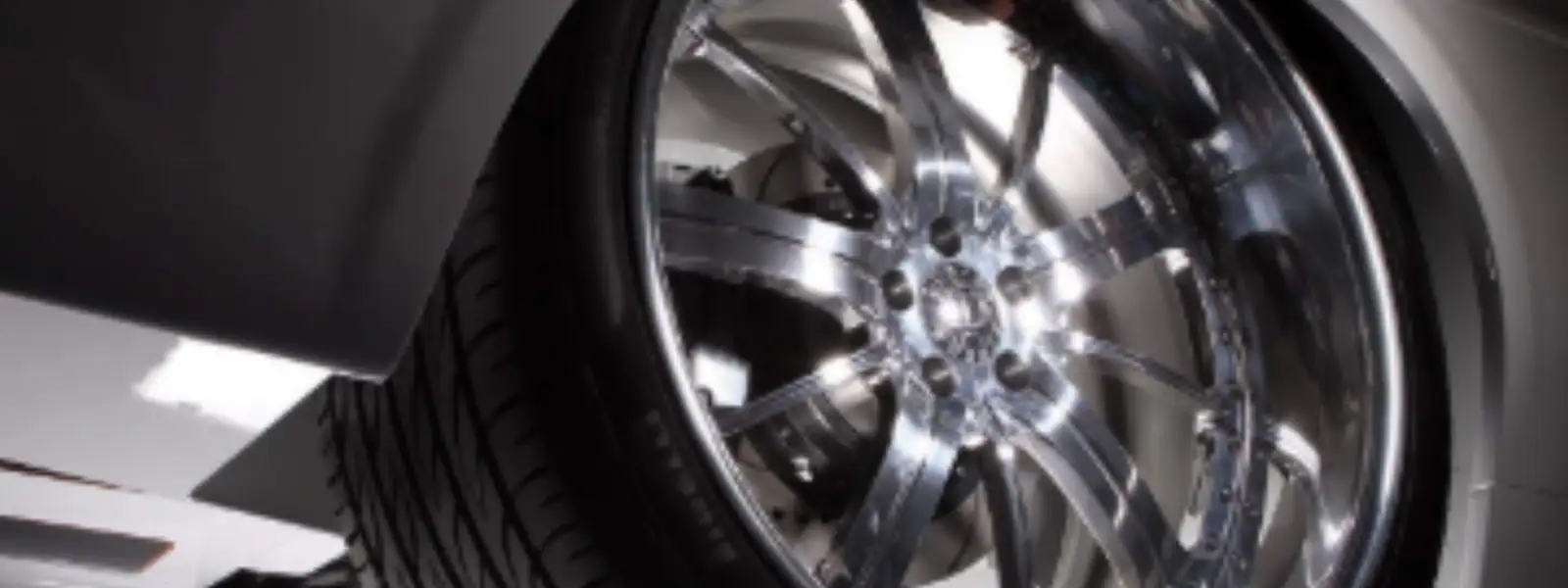
Wet roads are normal around here, and rain is exactly when worn tires let you down. Tread depth decides how well a tire pushes water out of the way, so a tire that feels fine on a dry day can hydroplane in a November downpour.
If you head up to the mountains or out of town in winter, remember that many BC highways require winter tires from October 1. Winter tires need at least 3.5 mm of tread to count. We'll check your tread, recommend the right tire for how you drive, and get your changeover booked before the rush.
Signs you need tires & wheels service
- Tread is getting close to the wear bars
- Vibration in the steering wheel at highway speed
- Car pulls to one side
- Tire pressure warning light
- Cracks, bulges or cuts in the sidewall
- Uneven wear on the inside or outside edge
How we handle it
- Inspect tread depth, sidewalls and wear pattern
- Recommend tires that fit your vehicle, driving and budget
- Mount and balance new or seasonal tires
- Set pressures and check the tire pressure monitoring system
- Torque wheels to spec and remind you when to rotate
Tires & Wheels questions
When should I switch to winter tires?
Once temperatures stay below about 7°C, or before October 1 if you'll be driving on highways where winter tires are required. Book early, since October and November fill up fast.
How often should tires be rotated?
Roughly every 8,000 to 10,000 km, or at each seasonal changeover. Rotating evens out wear and helps your tires last longer.
Can a flat tire be repaired?
Often, yes, if the puncture is in the tread area and small enough. Damage in the sidewall or shoulder can't be safely repaired, and we'll tell you if replacement is the safer option.
Local to Burnaby & East Vancouver
We're just across Boundary Road from East Vancouver, so drivers in Hastings-Sunrise, Renfrew-Collingwood and Grandview-Woodland can book a seasonal tire changeover without a long trip. See the areas we serve.